The Ansel Adams’ archives recently published a video record of the photographer’s ascent of Half-Dome, in Yosemite. Along with friends, Adams set out to make it to the Diving Board, from where he intended to shoot the cliff. The year was 1927, and the resulting image, Monolith, the Face of Half-Dome, would become one of the most famous photographs ever made — and one of my personal favourites. According to Adams’ own account, wearing sneakers instead of hiking boots was something he quickly came to regret, especially as he was lugging a heavy camera and tripod set-up, along with the necessary glass plates.
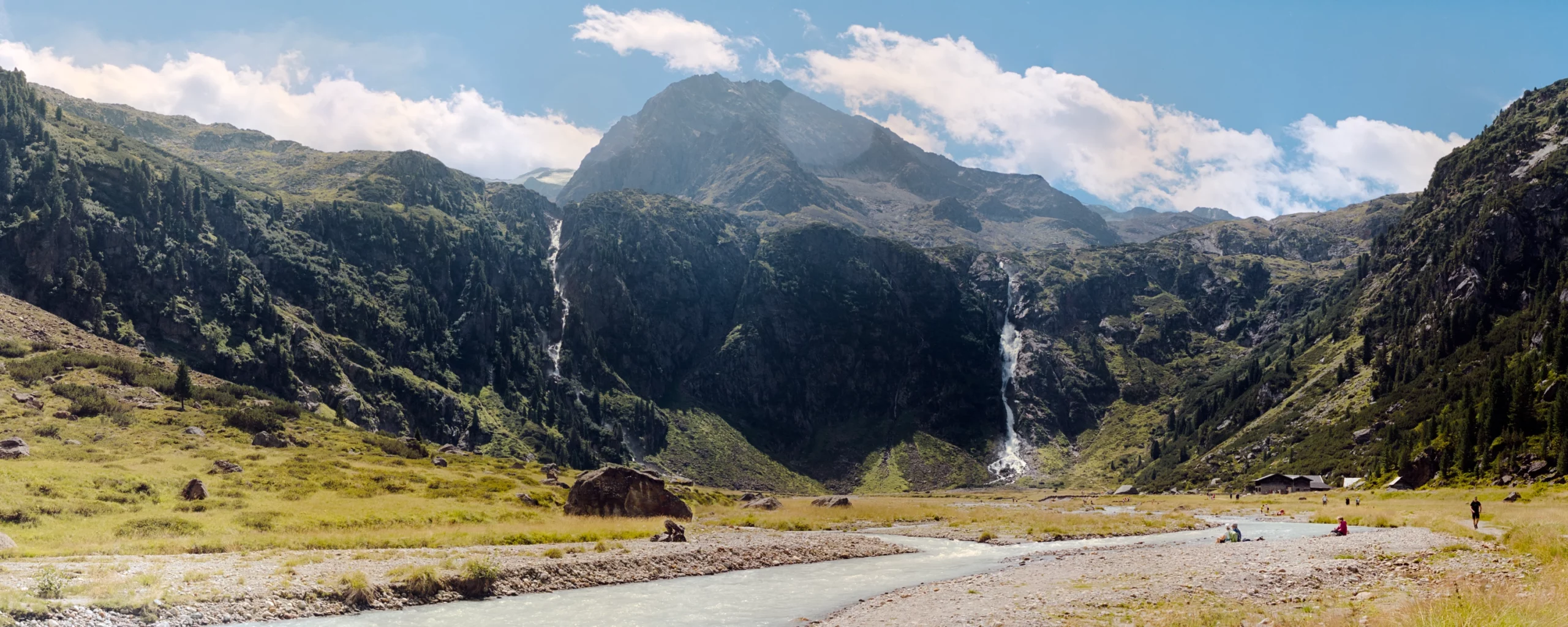
Last August, I had the chance to spend a few days in the Austrian Stubai Valley. I was pretty excited about the hiking possibilities the place offered, and while the rain prevented me from going out as much as I had intended, I still managed to hike two fantastic trails. One of those led to cheese, home-made bread and butter, a groundhog and grazing cows; the second led much higher, to an alpine lake and a dramatically receding glacier.
Unlike Ansel Adams, I packed a much lighter camera — my trusty Canon F-1, paired with a couple of lenses — and actual hiking boots.
The challenge on those two trails was not the landscape itself, which was striking and beautiful. It was about finding a focal point, a landmark, something to embody in a frame the feeling you can only experience directly while you’re standing there. But it turned out to be an almost impossible task for me. The atmosphere, the subdued light, the misty woods were remarkable, but finding a subject proved tricky. So, instead of desperately trying to find a panorama that might not exist, I did my best to find patterns and details to focus on; the mood, light, colours and shapes can convey as much as the wide panoramas with which landscape photography is often associated.
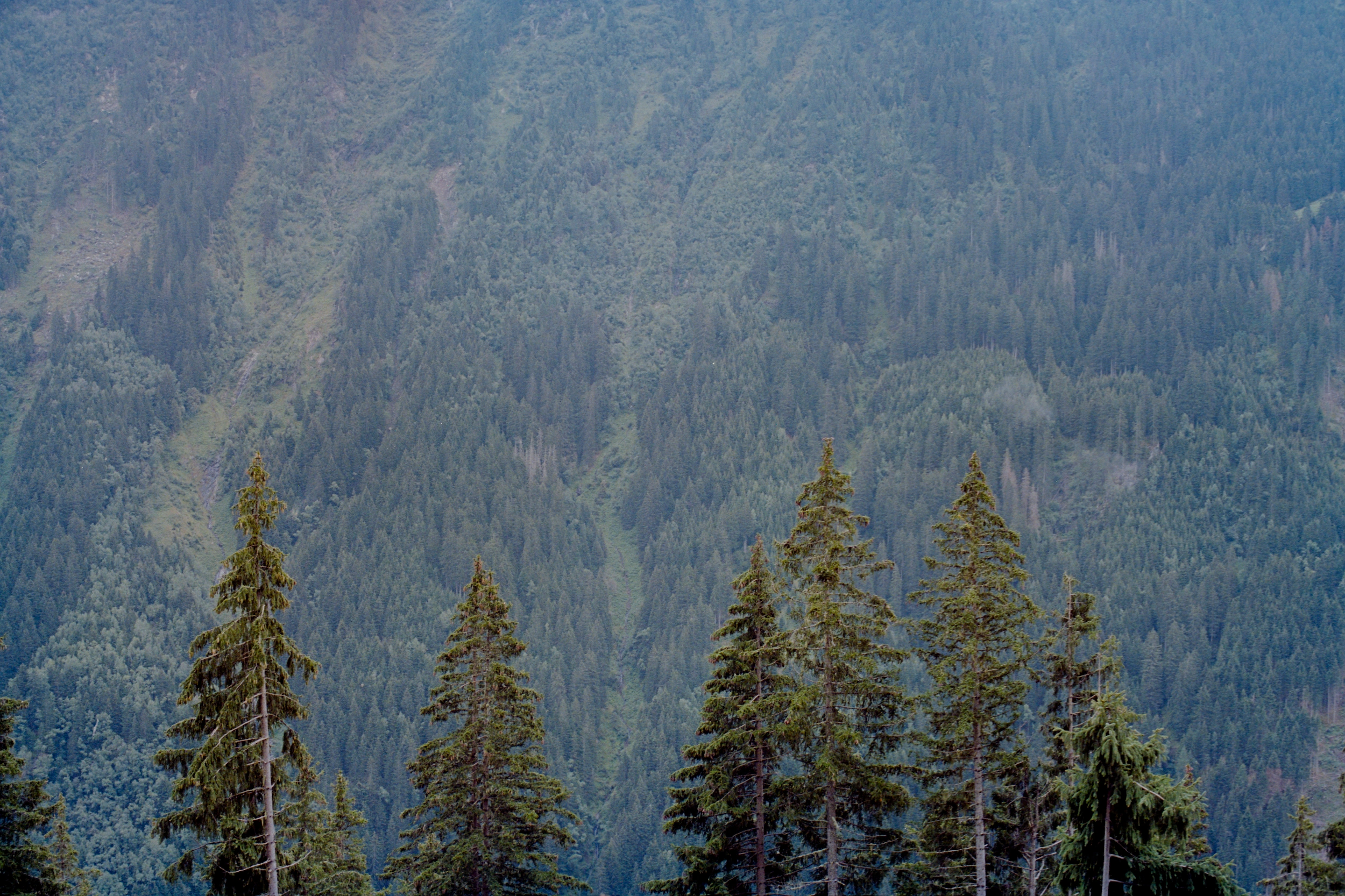
Landscape photography isn’t a genre that I often have a chance to explore, and while I was ready to compromise on wide panoramas and scenic views, I began to feel somewhat frustrated. The trail was zig-zagging across pine groves; the warm green of the moss, the diffuse light, and the misty atmosphere were all very enticing but I couldn’t seem to find a subject at all.
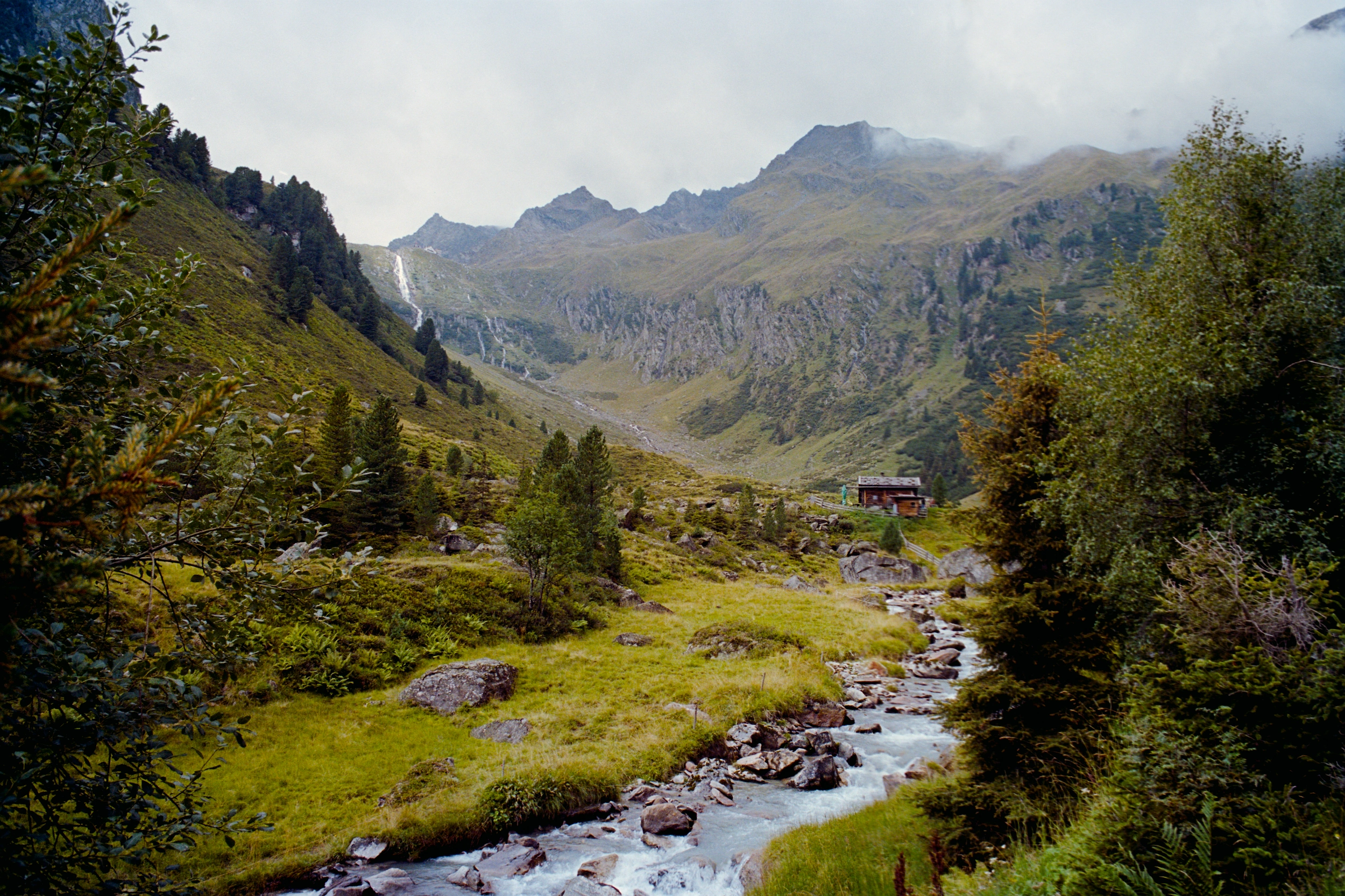
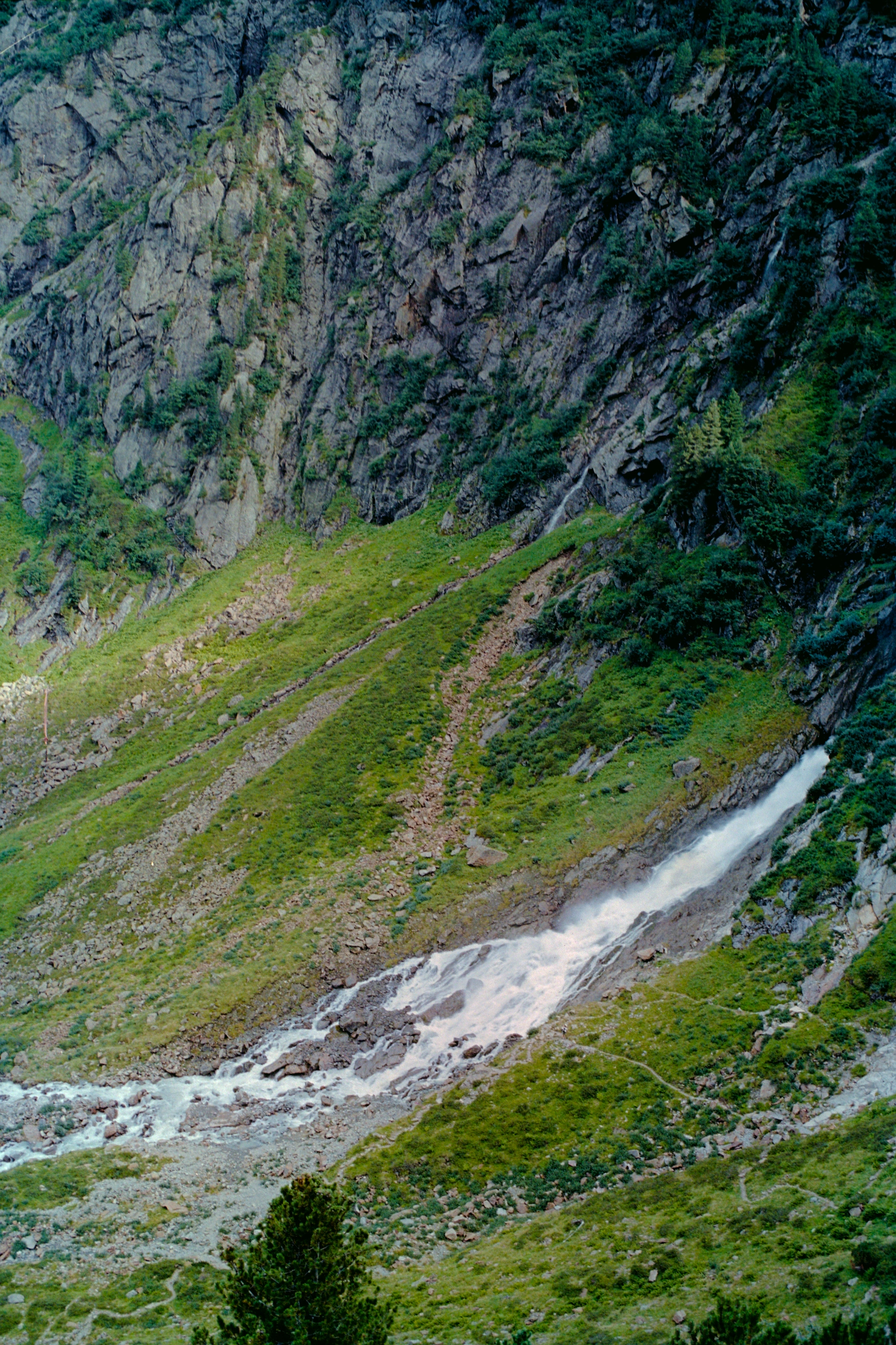
I got lucky a little further on, as I reached a small vale with everything you could wish for photographically speaking: a waterfall, a wooden cabin — that happened to serve some of the best cheese and butter I had ever had — and a winding river that ran down to the valley.
Even the rain and low clouds added to the mood.
The next day, I set off for a much more ambitious hike, hoping to reach the aforementioned alpine lake and melting glacier.
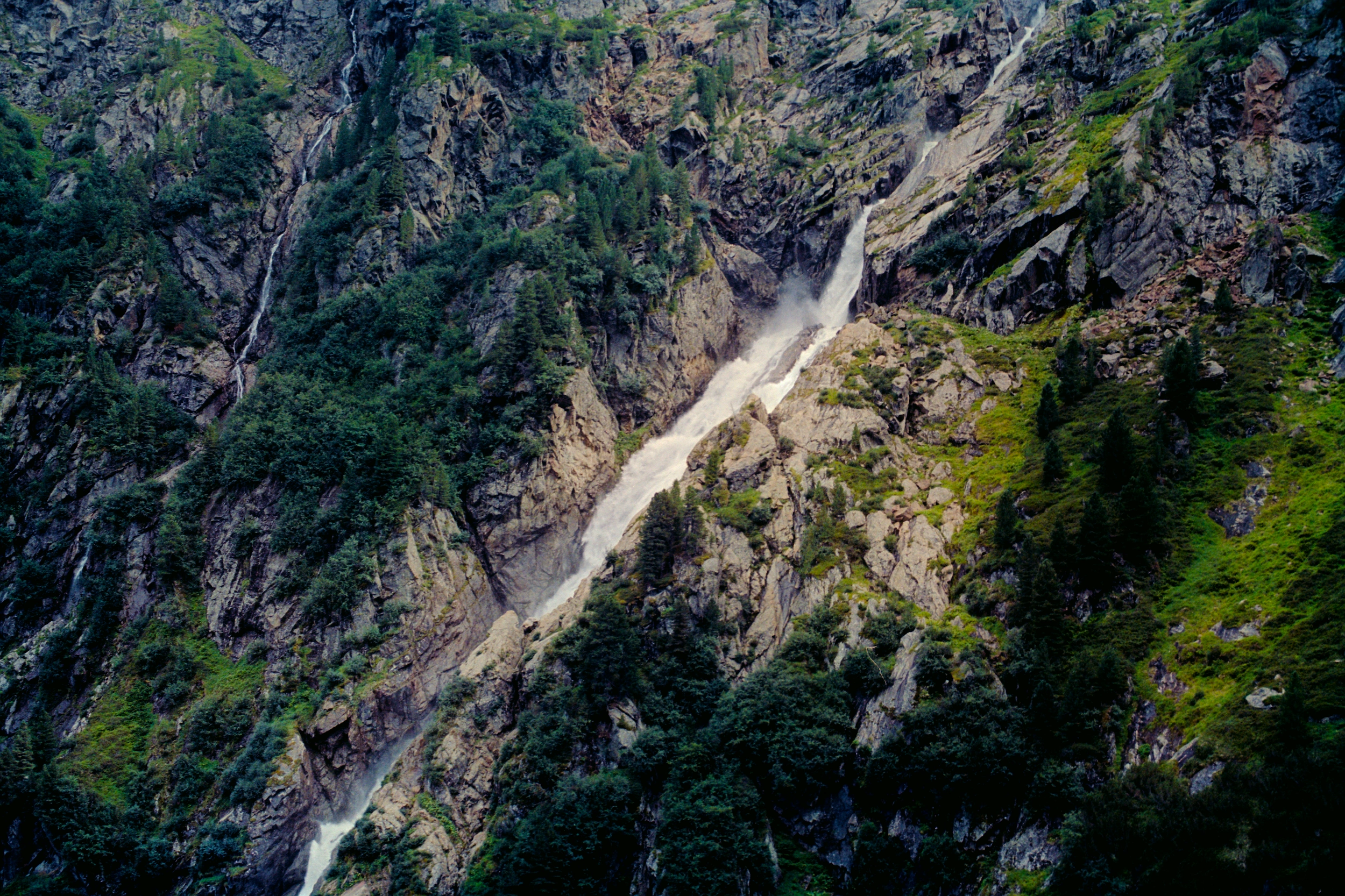
While I was initially annoyed by the lack of breathtaking panoramas of the previous day, this trail proved much more photogenic: so much in fact that I began to worry about running out of film before I reached the summit. From the soft morning glow to the harsh mid-day sun, everything around me was asking to be photographed. But the most striking element was the waterfall that the trail was following all the way up to the lake.
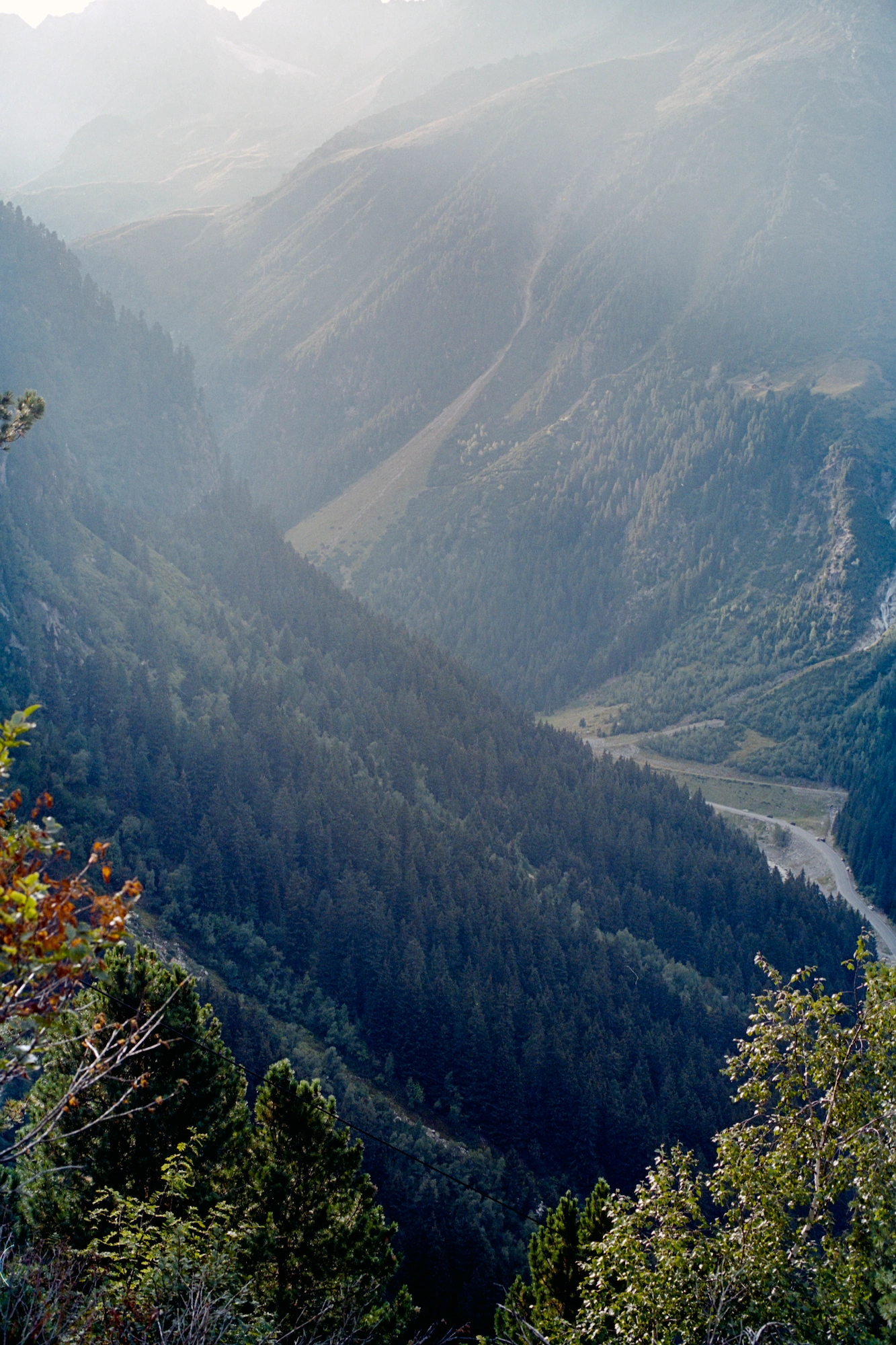
It’s always interesting to realise you can photograph the same subject thirty times and end up with thirty different images. Not all of them were worth keeping, but quite a few made it to my archives, and no two were exactly alike. I mostly kept the ones I took on my way down: the sun was getting low, and there was a soft, warm glow coming up from the valley that gave the scene a serene look — or, as my friend would say, the same vibe as a Windows wallpaper.
—ML
Leave a Reply