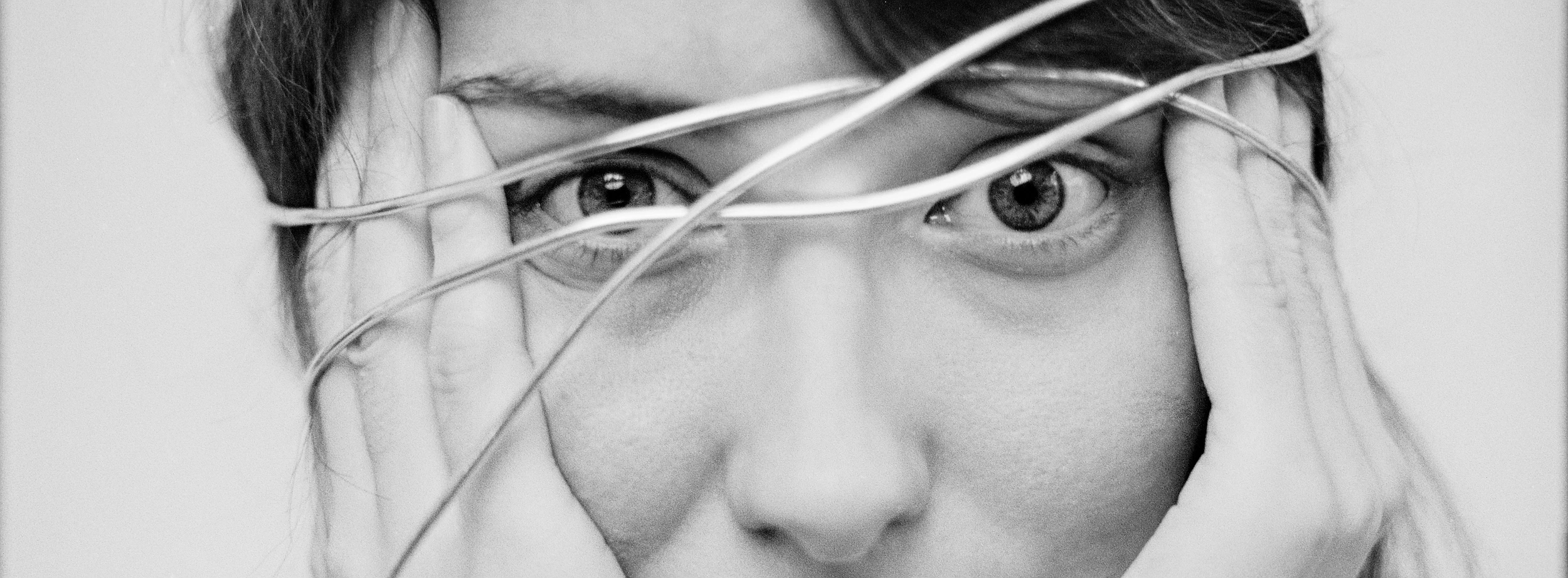
I have been questioning my practice a lot, lately. My first steps into photography, a little over ten years ago, after a disappointing first attempt in high school, were marked by the spontaneity and thrill of capturing just about anything; the act of photography itself was enough to fuel my newly-found passion. The subjects and results were very much secondary. Photography was fun, film photography was absolutely fascinating to me, and I would let myself go with the flow: whatever caught my attention was good enough a subject.
I suppose it was easier then because said subjects were, with the exception of my then-girlfriend, devoid of human presence. Landscapes, cityscapes, small details and textures were what I was interested in, and what I felt I could allow myself to photograph. In the age of social media, it felt questionable to photograph strangers at random; I was not a journalist, I was not working on any kind of project that could justify turning my lens on people’s faces. I was also way too shy about asking permission.
It is no surprise, then, that the human figure is resolutely absent from my very first serious project, On the Edge of Town, on which I worked between 2020 and 2024.
The Covid period made human relationships scarce and difficult. I’m not certain in which regard it affected the pull I felt at the time towards portraiture, but around 2021-2022, I began to think more and more about photographing people rather than, or in addition to, the abandoned places I liked to photograph so much in that period. I suppose it’s only fair to admit I was secretly hoping that showing my work on Instagram and the like would be enough for someone to reach out and ask for portraits, something this timid man would have been very grateful for. As expected it didn’t happen, and I had to be the one to reach out to people I was interested in photographing.
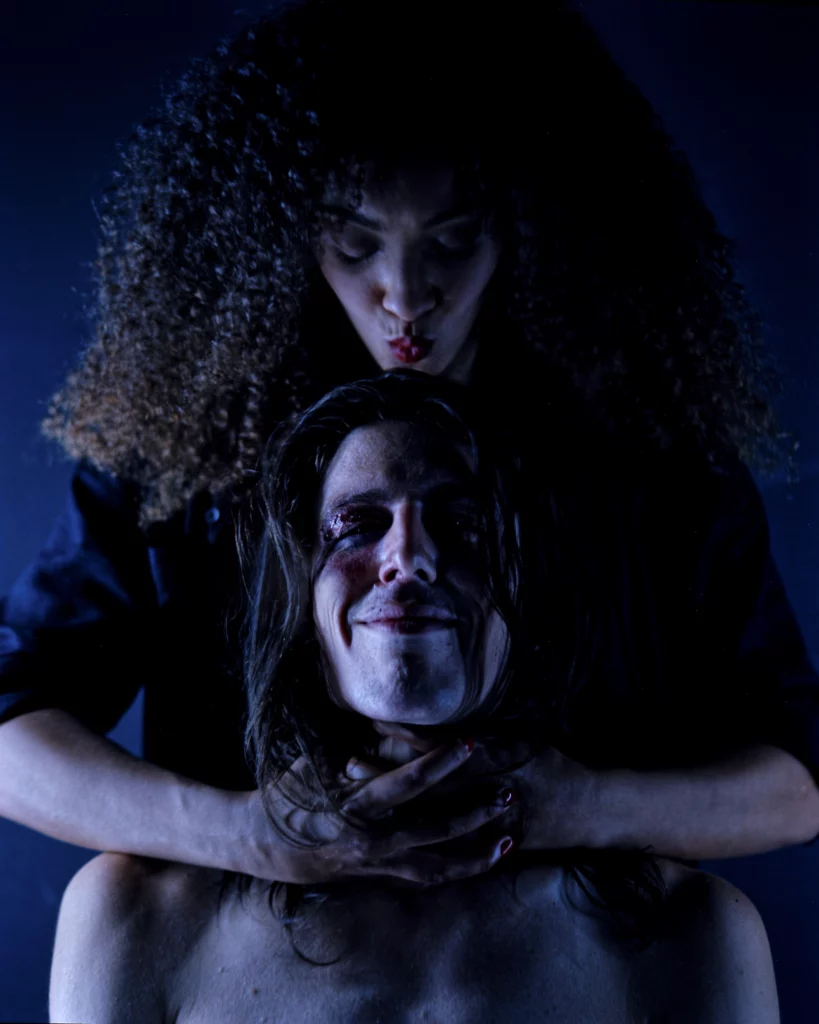
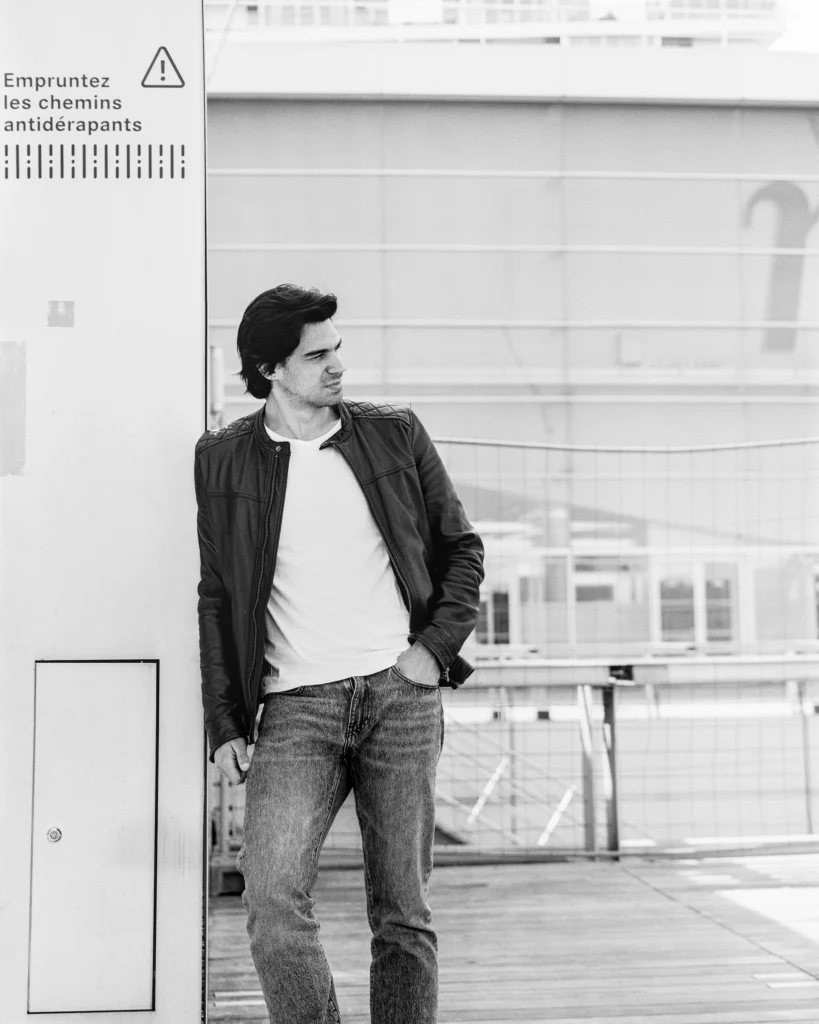
Singe, a singer-songwriter-performer and friend of mine, was the first to be kind enough to agree to some photos. The images we created together, some of which are gathered in the eponymous series on this website, are all the more significant because they represent my first foray into portraiture; they also were the first steps towards a creative partnership of sorts, which resulted in a series of three music videos that I directed and edited — another first.
Working with Singe was somewhat easy. We knew each other, I was familiar with his music, and he was able to quickly envision what kind of images he wanted to create. There was no need for directions most of the time, and our locally-produced shooting sessions, from parking lots to our own apartments, were of a remarkable fluidity.
This allowed me to shoot with a lot more spontaneity than I thought possible; when you’ve got a trustworthy camera and model, all that’s left is to aim and click.
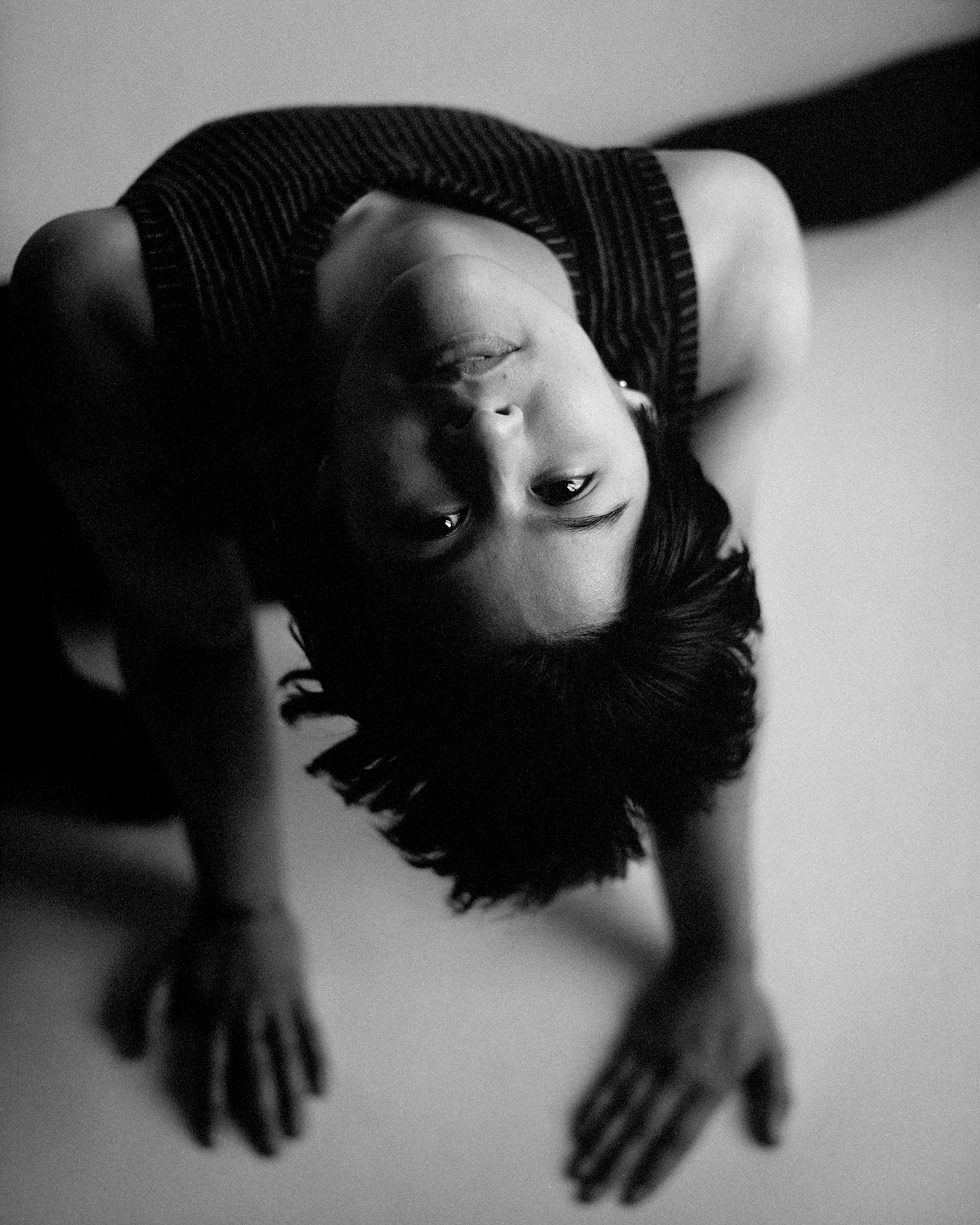
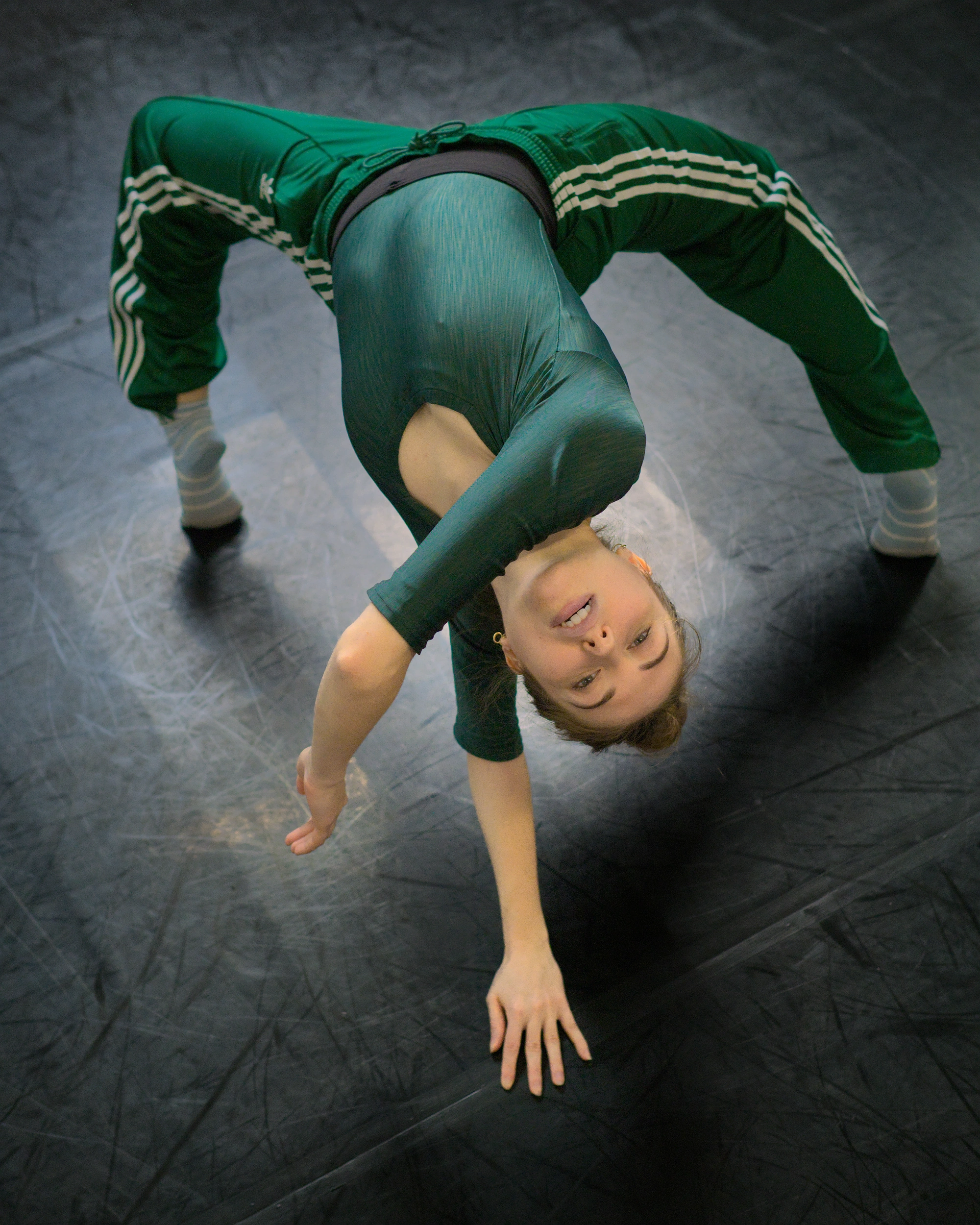
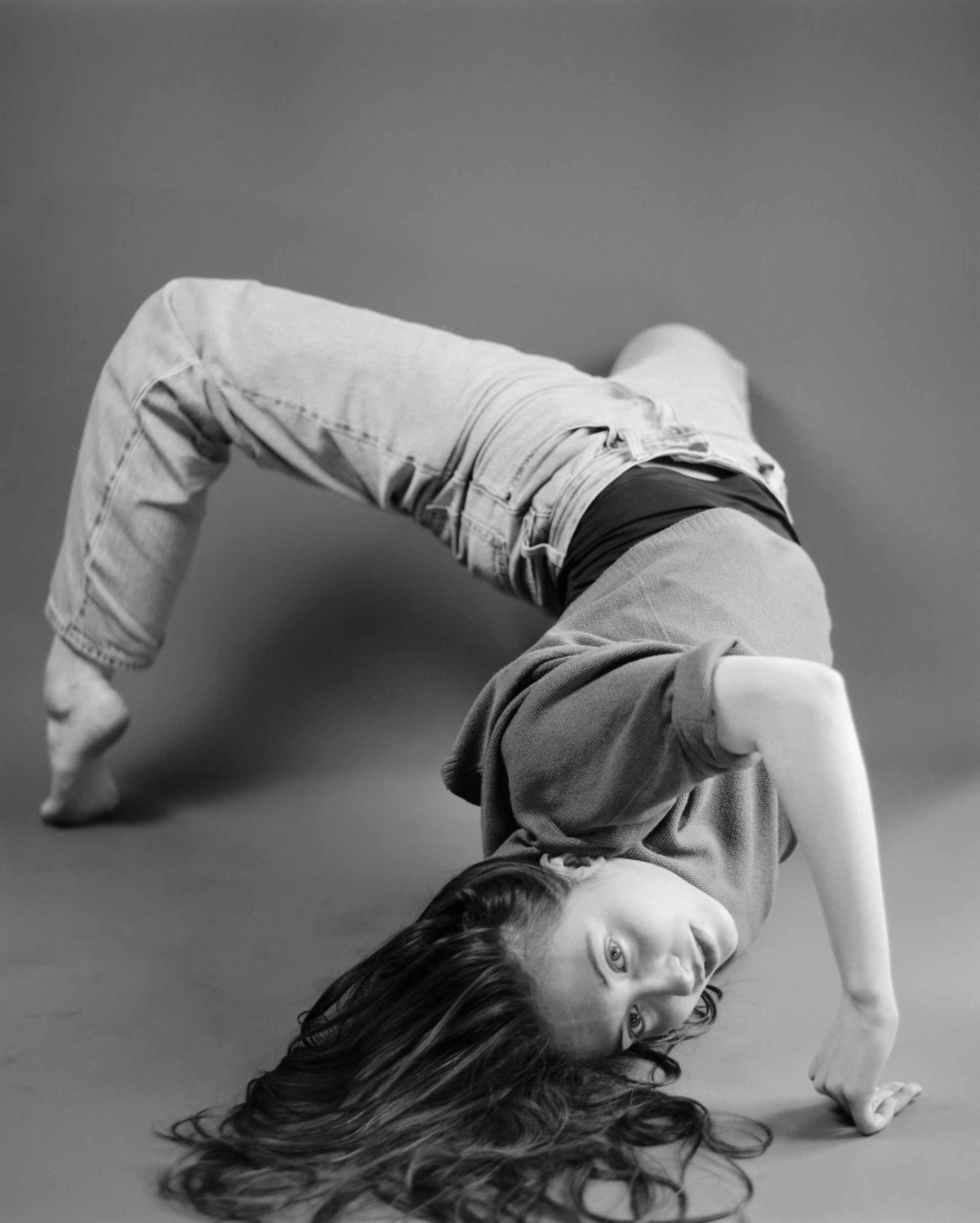
It was through him that I met my friend Zoé, the other half of the Compagnie Le Pays des Ombres, a theatre company who recently toured with an ethereal and terrific gothic play they wrote. In addition to acting and writing, she’s a remarkable dancer, and this was to be very central to the first portraits we made together.
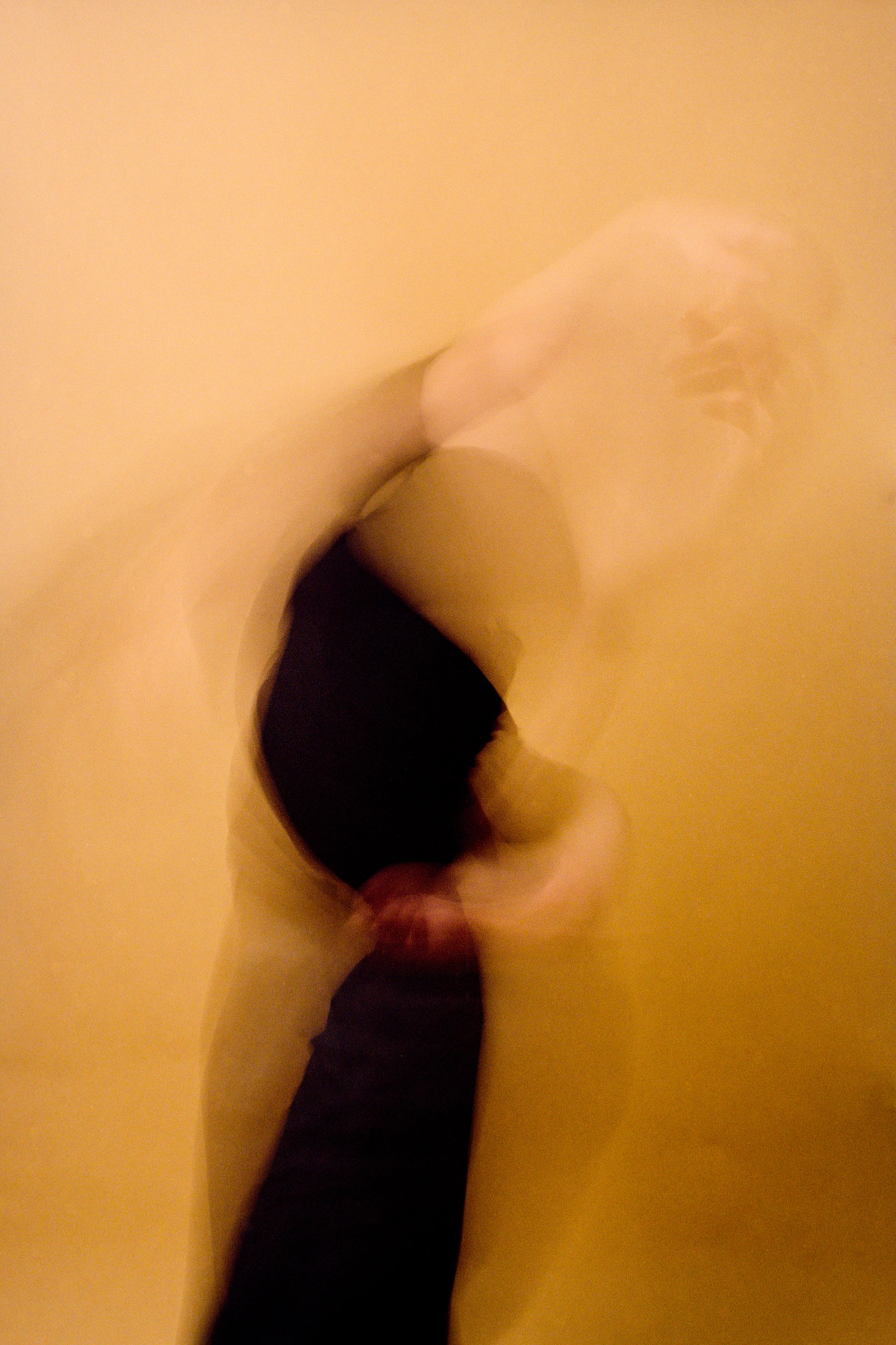
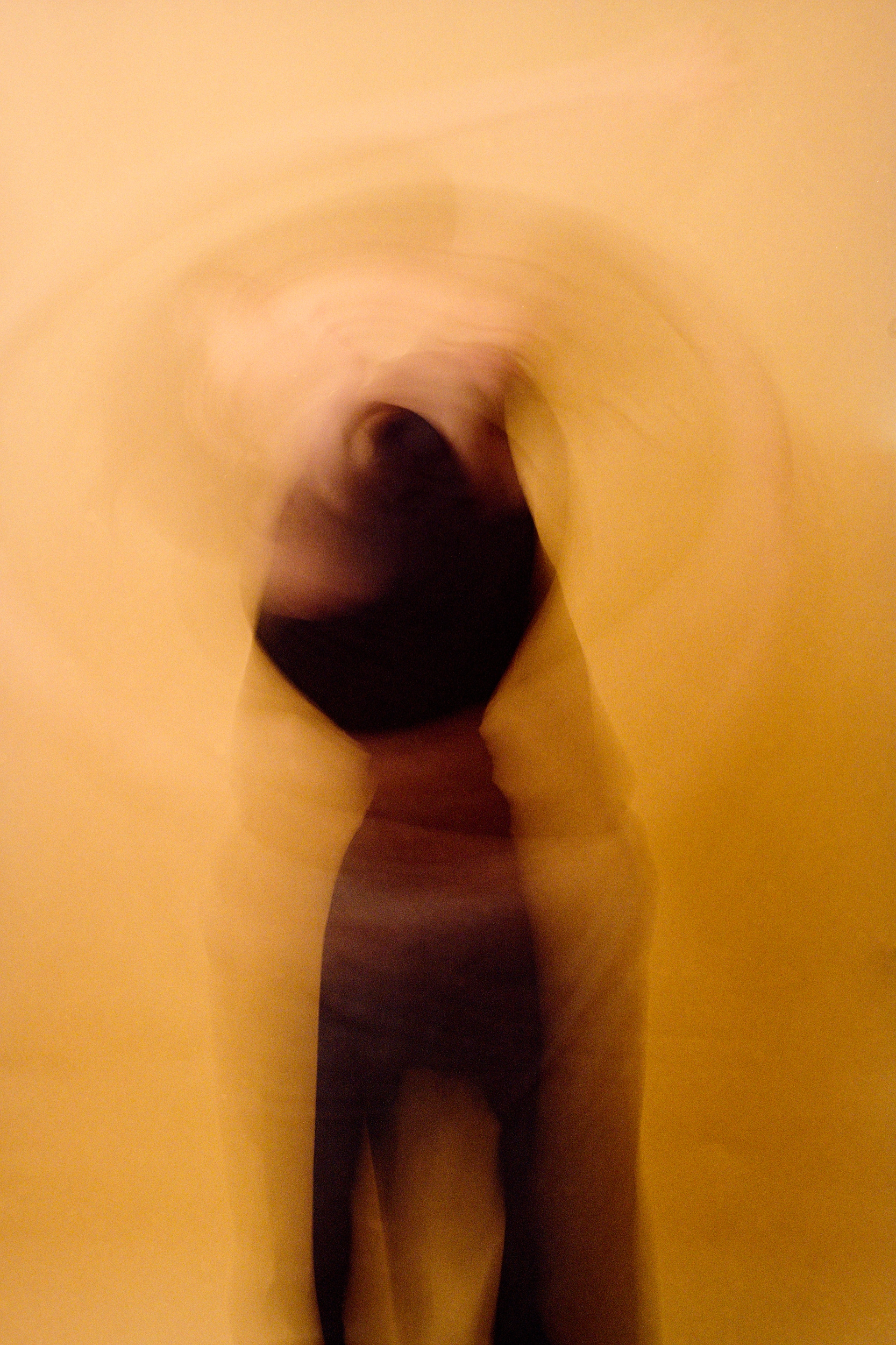
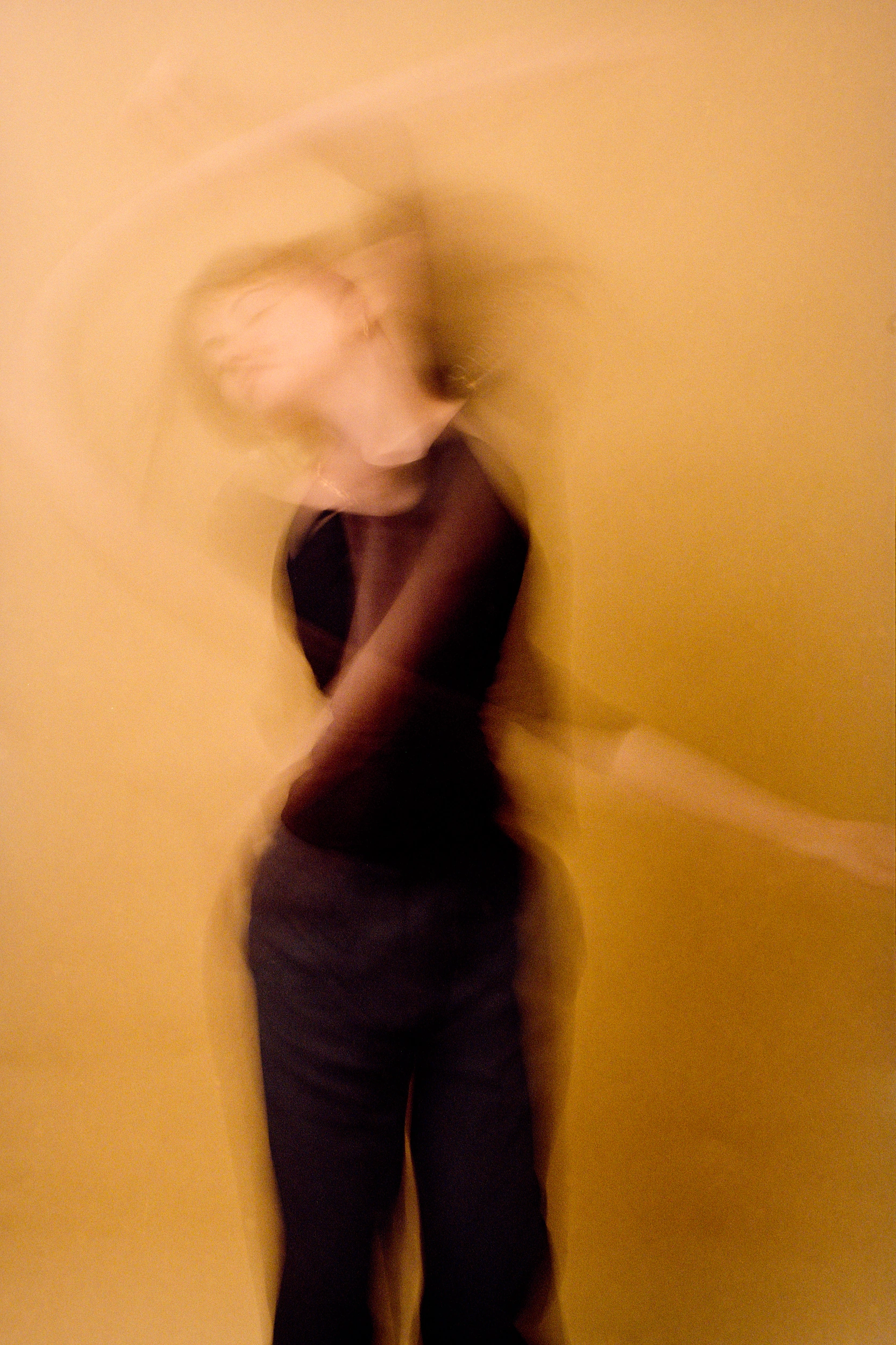
When I say that dancing was central to those first portraits, I don’t mean to say it merely provided a subject or context; dancing and acting were central to her identity as a person, and photographing her was not about capturing good moves or doing dance photography: it was about trying to capture a fragment of her individuality. The same was true with Singe, and the same was to be true every time I made portraits with someone.
There have been exceptions, though. And those exceptions are the reason why I’m writing this little note. Earlier this year, I worked with two models, and while it was in both cases a very pleasant experience, with charming and interesting people, I realised I was not exactly thrilled by the results. Some images were good, and some made it to the portfolio, but I found them difficult to relate to; they didn’t seem to convey the same sense of intimacy and creativity that I felt in most of my other portraits, regardless of their formal and technical qualities.
It was, of course, no one’s fault in particular, and it was certainly not for lack of professionalism on the models’ part; we simply never had a chance to connect before. Consequently, I photographed the image of someone rather than the person behind their likeness.
I mentioned another series: On the Edge of Town. It was done as I was trying to come to terms with the passing of a time in my life I knew was never coming back. For a few years, as often as I could, I would bike through the same suburban towns where I grew up, following (usually) the same route. Through this repetition, I was trying to capture the essence of those places, what they meant to me. Just like with people, I was trying to get intimate with that suburban geography, and to go beyond the mere image of it.
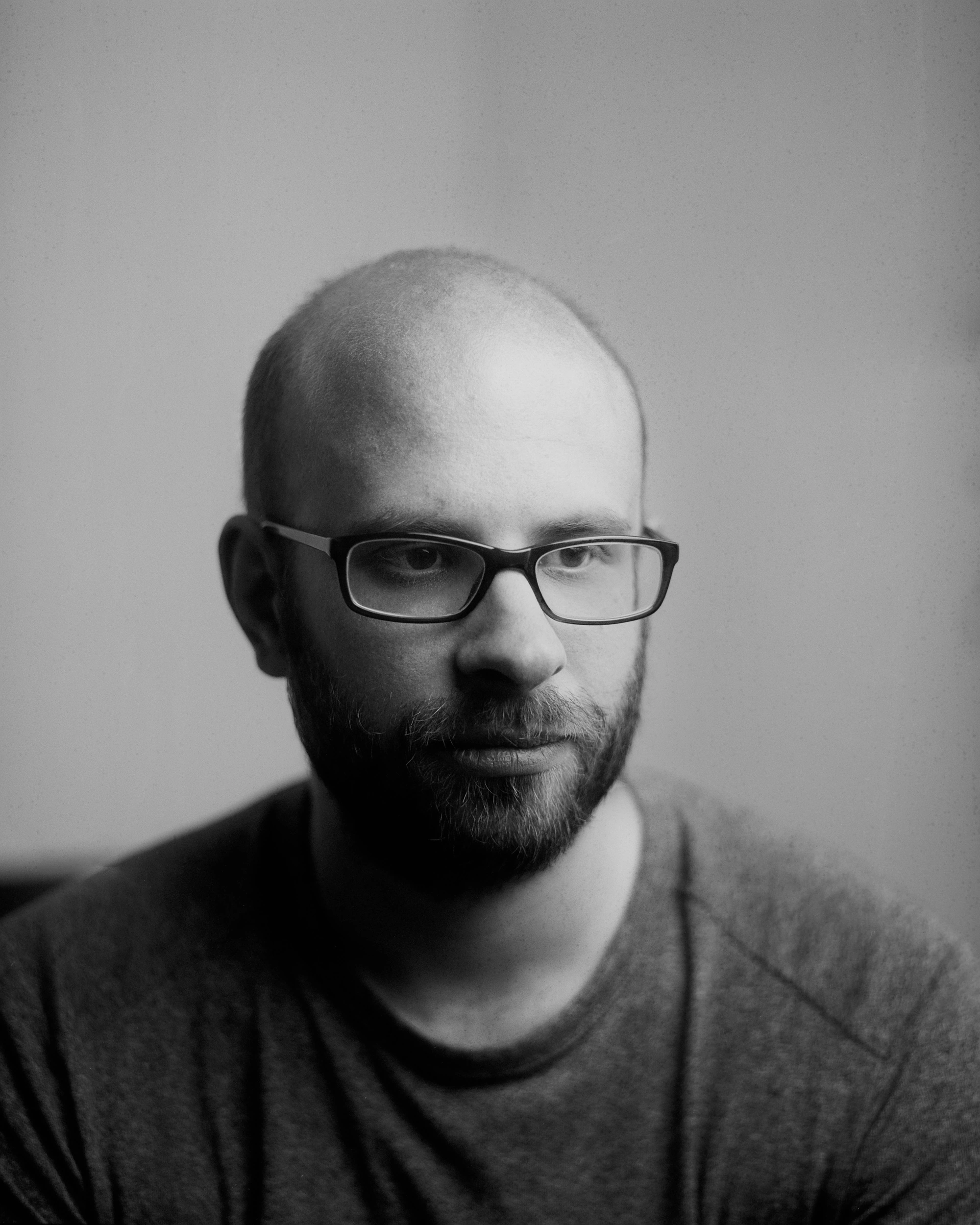
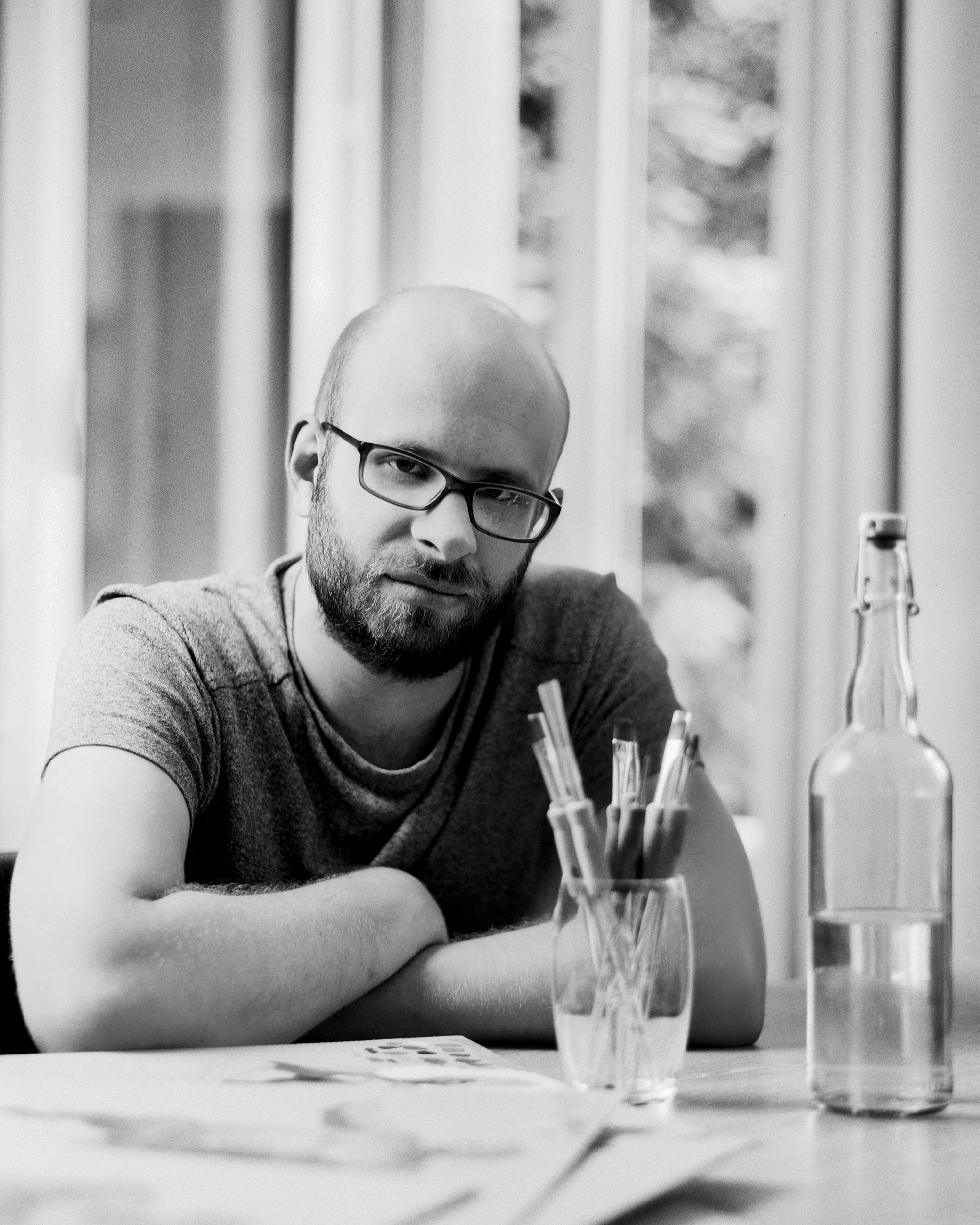
This series was a self-portrait of sorts: it was as much about my feelings and memories towards the places I was photographing as about the locations themselves. And I feel the same about portraits. Both because I think a portrait is always, in some respects, a self-portrait, or at least an indication of one’s feelings and relationship with the sitter, and because the repetition of sitting sessions, the accumulation of portraits, is an essential part of the intimacy I mentioned earlier. In university, I was lucky enough to attend some of French photography historian Michel Poivert’s lessons, and I remember him talking of portraiture as an encounter, the coming together of two persons from which something creative as well as personal could stem.
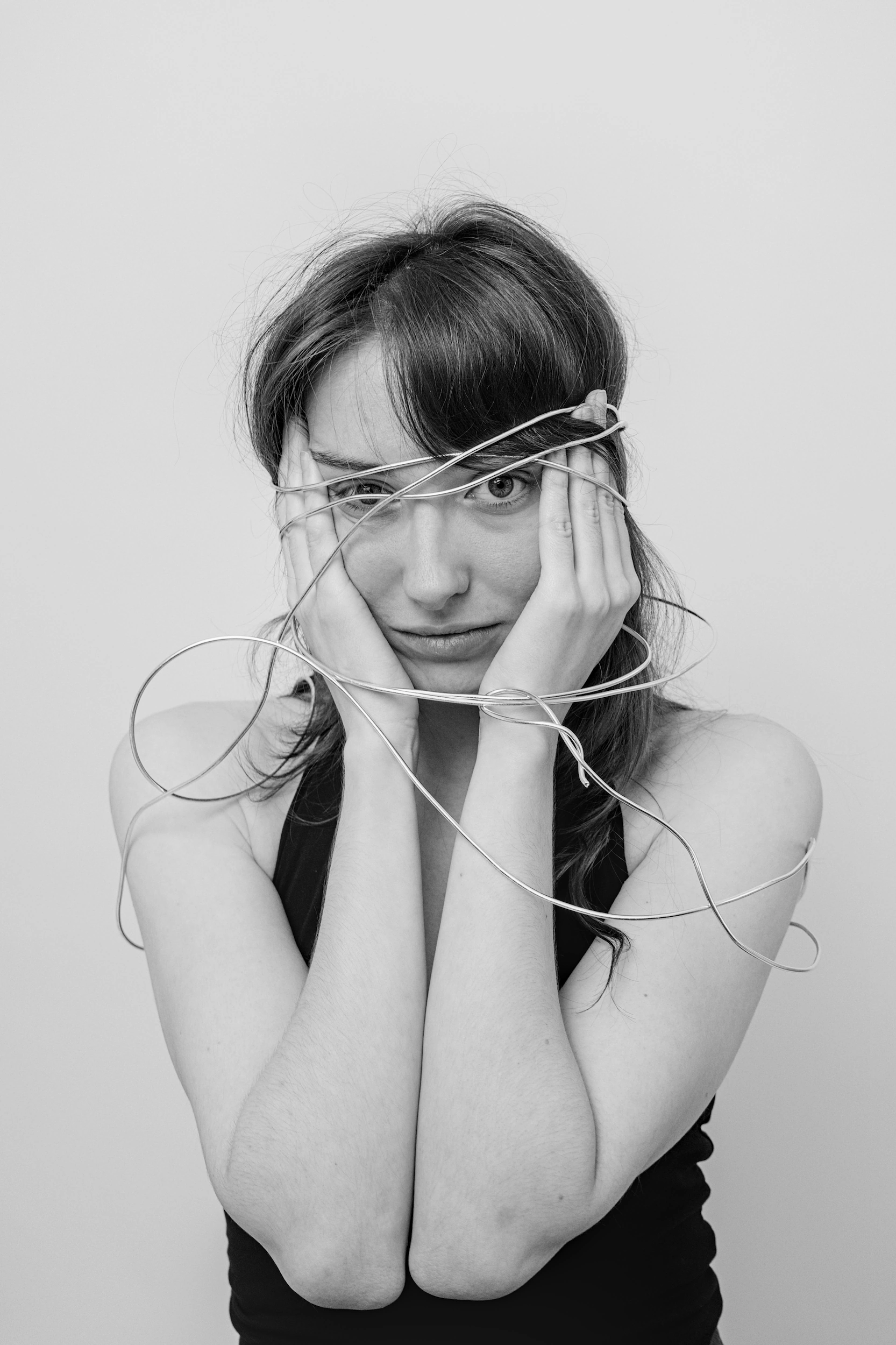
I like to think of portraits as a kind of co-creation. The photograph is mine, but its creation is only made possible by a trusting relationship with the sitter, their creativity and willingness to explore ideas together. I’m absolutely certain it takes time to build the sort of trust necessary to make good portraits happen. Meeting often, embracing a process where trial and error have their place, and keeping things as fun as possible are central to all of this.
Now, does all of this mean I’m not interested in shooting strangers and models I have never worked with before? Certainly not, but I learnt to have different expectations for those sessions and projects (which don’t include paid assignments, as in corporate portraits and the like). Going beyond the contractual aspect of things, establishing an actual relationship with the models, and collaborating regularly are, I think, the way to go. The first session in these instances is like a draft: a moment to get acquainted, make mistakes, and experiment.
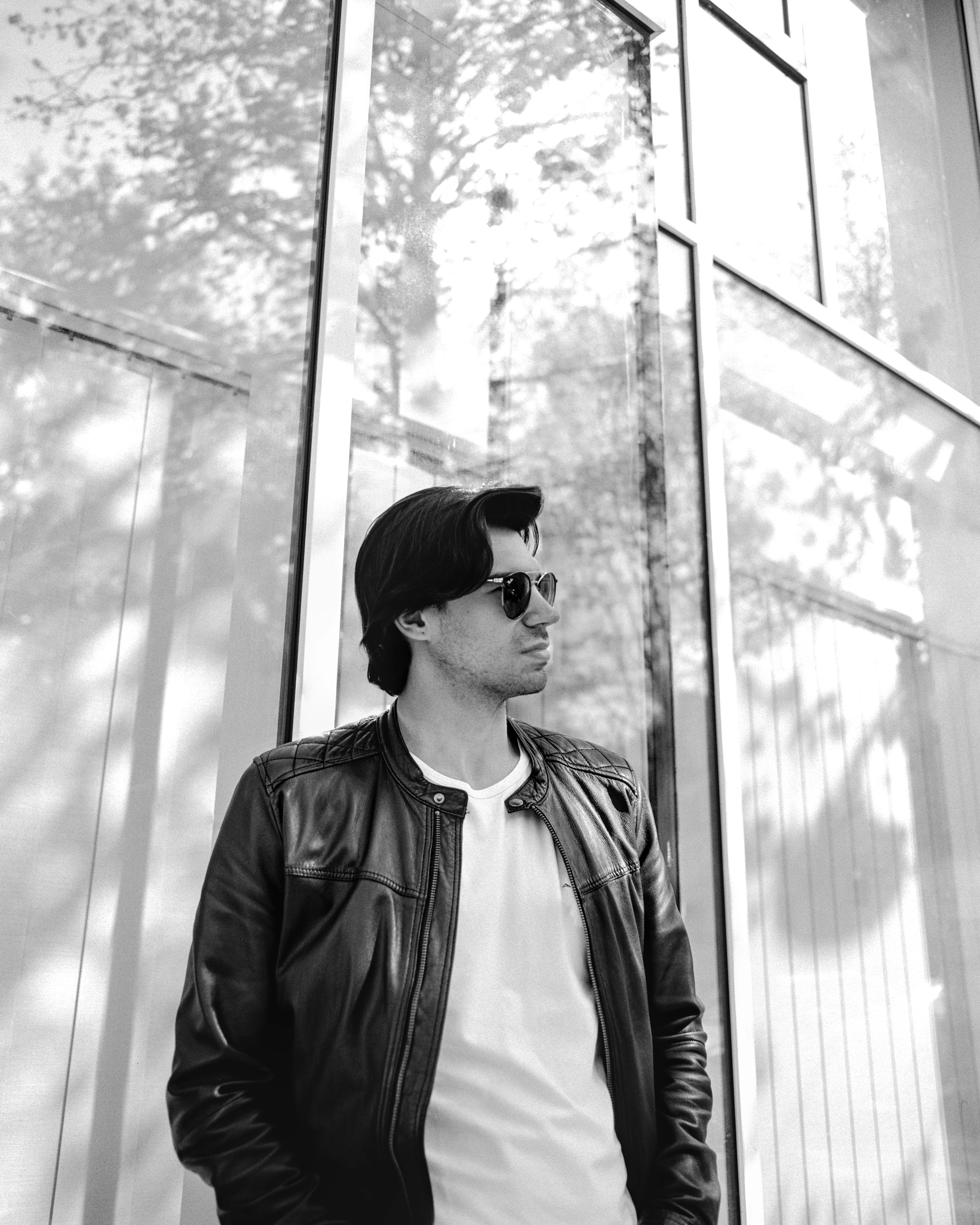
I can only hope these opportunities to get acquainted, experiment and make mistakes will keep coming, just as I hope the work I have been making with all those people, friends, models, artists who kindly agreed to spend time with me, in and out of the studio, has been as significant and pleasant for them as it was for me.
—ML
Leave a Reply